Find your Local

We're a national brand with a local team in your area.
Select the location below that's closest to you:

Installing solar panels is one of the smartest long-term investments a UK homeowner can make. With energy prices remaining unpredictable, generating your own electricity gives you greater control, lower energy bills, and improved comfort.
Solar can only deliver its full potential when it’s designed and installed properly. We often speak to homeowners who’ve received multiple quotes, but aren’t sure what really matters.
Here are seven of the most common solar panel mistakes (and how to avoid them).
It’s tempting to choose the cheapest quote. With solar, the lowest price rarely delivers the best long-term value.
Lower cost systems often use budget panels with lower efficiency, and entry-level inverters with shorter warranties. These systems also often use generic designs that aren’t tailored to your property.
A properly designed system should reflect your roof orientation, shading, household consumption and future plans such as EVs or battery storage.
We focus on system performance over decades, not just upfront cost. A slightly higher initial investment can mean significantly higher lifetime savings.
System sizing is critical. If your system is too small, it won’t meaningfully reduce your energy bills. If it’s too large, you may export more electricity than you use, and often at lower Smart Export Guarantee (SEG) rates.
Accurate sizing requires analysing your annual electricity usage, your daytime vs evening consumption, and any planned changes (such as EV chargers and heat pumps). The right system maximises self-consumption and reduces reliance on the national grid.
Solar panels generate electricity during daylight hours. Yet many UK households use most of their energy in the evening. Without adjusting your usage habits, much of your solar power may be exported instead of used in your home.
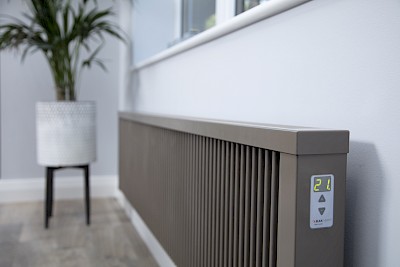
Simple changes can significantly increase savings, such as running washing machines and dishwashers during the day, scheduling any immersion heaters or electric radiators intelligently, and charging your EV when solar production is highest.
Smart energy management makes a major difference.
Solar works perfectly well without a battery, however, many homeowners later wish they had planned for one.
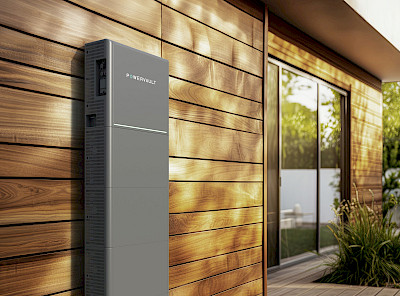
Battery storage allows you to store excess solar energy to use in the evening, reducing your energy imports and increasing your energy independence. Even if you don’t install a battery immediately, your system should be designed to accommodate one in the future. Retrofitting is far easier (and more cost-effective) when planned correctly from the outset.
One of the biggest misconceptions is that solar panels need constant sunshine.
In reality, modern photovoltaic panels generate electricity from daylight, not heat. They continue to produce energy even on overcast days.
In fact, cooler temperatures can improve panel efficiency. The UK’s climate is well suited to solar generation, which is why installations have grown rapidly across the country in recent years.
Solar panels are low maintenance, but not maintenance free. You should always check the panel product and performance warranties. Inverter and battery storage warranties are usually shorter than panel warranties, as these are the parts of a solar system most likely to fail.
A quality installation should provide peace of mind for at least 20 years. Clear documentation and accessible aftercare matter just as much as the hardware itself.
We often hear ‘should I wait another year?’
Solar technology continues to improve incrementally, however today’s systems are already highly efficient and extremely reliable.
Every year spent waiting is another year paying full electricity prices and missing out on savings. With energy costs unlikely to return to historic lows, delaying can cost more than upgrading later.
Solar is not a short-term gadget, it’s a long-term investment.
Avoiding these common mistakes can be the difference between average results and outstanding long-term savings. A professionally designed system tailored to your property, usage and future plans will reduce your energy bills, improve your energy independence, protect you from rising prices, and increase your home’s long-term value.
We design systems around real households, not generic templates. If you’re considering solar panels, expert guidance at the planning stage can add thousands of pounds in lifetime value.
If you’d like clear, honest advice about what would work best for your home, we’re here to help. Get in touch today on 01244 371 445 or email hello@heatelectric.uk