Find your Local

We're a national brand with a local team in your area.
Select the location below that's closest to you:

When people hear the words electric heating, one of the first things to come to mind is often expensive electricity bills. But this isn’t necessarily the case.
The cost of electric heating depends on much more than the fact it runs on electricity. The electricity tariff you use, when your home uses energy, how efficiently the heating system operates, and whether you can store energy for later can all make a significant difference.
For many households, the answer to the question ‘can electric heating be cheaper on an off-peak tariff?’ is yes. Modern electric heating and energy storage can be particularly well suited to tariffs that offer cheaper electricity at certain times of the day. Instead of simply using electricity whenever you need it, the idea is to take advantage of lower-cost periods and use, store, or convert that energy when it is most useful.
This is where technologies such as ELKATHERM® electric radiators, Sunamp heat batteries, Luthmore battery-enabled electric combi boilers, and home battery storage can work together to create a much more flexible home energy system.
An off-peak tariff is an electricity tariff where the price you buy changes depending on when you use electricity. The most well-known example is Economy 7, which provides a cheaper electricity rate for a set period, traditionally overnight. There are also newer smart time-of-use tariffs where the price can vary at different times of the day.
Ofgem describes Economy 7 as a multi-rate tariff, meaning that electricity has a different unit price during peak and off-peak periods. The important point is that cheap electricity isn’t necessarily restricted to traditional storage heaters.
As smart meters and time-of-use tariffs have become more widespread, households with electric vehicles, batteries, hot water storage and other flexible technologies can increasingly move their electricity consumption into cheaper periods.
The Energy Saving Trust says that households with technologies such as EVs and home batteries can benefit particularly from smart time-of-use tariffs because they can shift when they use electricity. This changes the way we should think about electric heating.
Electricity is generally more expensive per unit of energy than gas, so simply replacing a gas boiler with basic electric heaters and continuing to use electricity at the same peak rate isn’t necessarily going to reduce your heating bills. However, that isn’t the only way to use electric heating.
A well-designed electric heating system can be combined with an appropriate tariff and, where suitable, some form of energy storage. The aim is to buy electricity when it is cheaper and make better use of it throughout the day. This is particularly relevant as electricity tariffs become more and more flexible.
Ofgem’s current market research shows that smart time-of-use tariffs are becoming more common, with the number of domestic customers on these tariffs increasing substantially in recent years. So rather than asking simply ‘is electric heating more expensive’, it can be more useful to ask ‘how much am I paying for electricity, and when am I using it?’
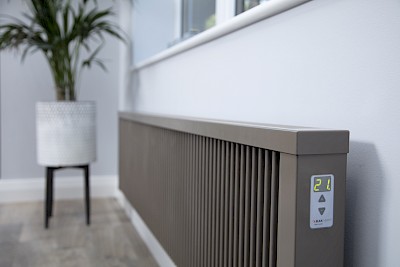
Yes, and this is one of the reasons we believe it is important to look at the heating system and the electricity tariff together. ELKATHERM® electric radiators are direct electric heating appliances, but they aren’t like traditional plug-in heaters that are simply switched on and left running.
They use a high-quality ceramic heat retaining core to provide controlled room heating. The heating element heats the core, which then continues to release heat into the room. This gives you a degree of thermal storage within the radiator itself. Independent BSRIA testing has proven that an ELKATHERM® radiator, once up to temperature, typically draws electricity for 15-17 minutes per hour.
For a household on a suitable time-of-use tariff, ELKATHERM® radiators can therefore be used to make better use of cheaper electricity periods rather than treating every unit of electricity as having the same value. You can pre-heat your home using a cheaper night rate of electricity, and just top-up the heat core as and when needed.
This doesn’t mean that an ELKATHERM® radiator magically makes peak electricity cheap. The saving comes from combining the cutting edge heating technology with the right tariff. It’s also important to distinguish ELKATHERM® from old fashioned night storage heaters. ELKATHERM® is designed to provide responsive, controllable room heating rather than simply charging overnight and releasing heat according to a fixed storage heater cycle.
For homeowners replacing an existing wet central heating system, this can provide a completely different approach to heating each room independently.
Sunamp takes the idea of using cheap electricity at the right time even further. A Sunamp Thermino heat battery stores energy as heat, rather than storing electricity in a conventional battery.
Instead of heating water in a large cylinder and keeping it hot for long periods, Sunamp uses phase-change technology to store heat in a much smaller unit. That stored heat can then be released when hot water is required. This makes a heat battery particularly interesting for households using a time-of-use or off-peak electricity tariff.
You can effectively buy energy when electricity is cheaper and store it as heat until you need hot water. For example, a household could use a cheaper overnight or off-peak period to charge the Sunamp, then use the stored heat during the morning and throughout the day for their hot water.
This means the price you pay for the electricity used to produce your hot water can be significantly influenced by the tariff and charging schedule.
Sunamp is not a replacement for electric radiators. It is a way of dealing with domestic hot water, and it can form part of a wider strategy for shifting electricity consumption away from expensive periods.
Luthmore takes the concept of electric heating and energy storage in a different direction. Rather than being simply an electric boiler, Luthmore combines electric heating with built-in energy storage. It is designed to work like an electric combi boiler and home energy store in one system.
Luthmore is a particularly interesting product when the cost of electricity changes throughout the day. Instead of relying on electricity at the exact moment hot water or heating is required, the system can make use of stored energy and cheaper electricity periods. For homeowners moving away from gas, this is an important distinction.
The question isn’t simply whether electricity costs more or less than gas at one particular moment, it is whether the heating system can use electricity intelligently and take advantage of the periods when electricity is available at a lower price.
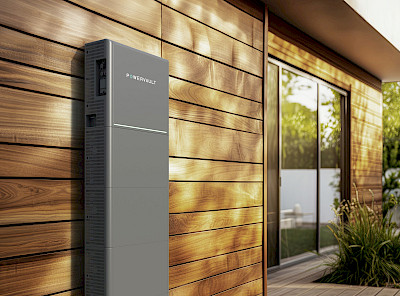
A battery such as the Tesla Powerwall 3 can store electricity and make it available later. If your electricity tariff has a significantly cheaper off-peak period, the battery can be charged during that period and then used to power the home when electricity is more expensive.
Imagine your household has six hours of cheaper electricity overnight. Rather than buying all of your electricity at the higher daytime rate, your household can use the cheaper period to charge its battery and then draw energy from the battery during more expensive periods.
The exact saving depends on the tariff, battery capacity, household consumption, charging losses, battery settings, and how much electricity the household can actually shift away from peak periods. But the principle is straightforward: Buy electricity when it is cheaper. Store it. Use it when electricity is more expensive.
This is one reason home batteries are becoming increasingly relevant to households using or considering time-of-use tariffs.
During the day, a solar PV system generates electricity from sunlight. Some of that electricity can be used immediately in the home, while surplus generation can be stored in a home battery or used for other electrical loads.
If you have electric heating, hot water, or a battery, there are more opportunities to use the electricity generated by your own solar panels rather than importing all of your energy from the grid.
A system with solar panels and a Tesla Powerwall 3, for example, can be designed to make better use of surplus solar generation by storing electricity for later use. During periods of good solar generation, the battery can charge from the PV system. Later, the stored electricity can help supply the home when the solar panels aren’t generating enough. The result is a home that has several ways of sourcing and managing its energy, rather than relying entirely on electricity from the grid at whatever price happens to apply at that moment.
Solar panels can work in tandem with a time-of-use electricity tariff to boost your savings even further.
During sunny periods, your solar panels can generate electricity for immediate use and battery charging. At other times, the battery can charge using cheaper, off-peak electricity. This becomes particularly useful during the winter months, when solar generation is lower and the heating demand of the house is higher. The precise way the system should operate depends on your energy tariff, consumption, solar generation, and battery capacity. There isn’t one setting or system that is right for every household.
There isn’t one tariff that is automatically cheapest for every home. This is an important point, because an off-peak tariff can look extremely attractive when you see a low overnight unit rate, but the peak rate may be higher than a standard tariff. The real question is how much of your electricity consumption can you move into the cheaper periods.
For a home with electric heating, hot water, an EV, and a home battery, there may be considerably more flexibility than for a household that uses very little electricity outside of normal daytime hours.
Ofgem’s guidance makes the same fundamental point: multi-rate tariffs have different peak and off-peak prices, so the value depends on how and when electricity is used. The Energy Saving Trust similarly recommends looking at both the cheaper periods and the more expensive periods when assessing a time-of-use tariff.
Electricity is normally more expensive per kWh than gas, so simply comparing the headline unit rates isn’t enough. A household with ELKATHERM® electric heating, a Sunamp heat battery or Luthmore combi boiler, solar PV and home battery storage could potentially shift a substantial proportion of its energy consumption away from expensive periods.
This does not mean every electrically heated home will be cheaper to run than a gas-heated home. The result depends on the property, products, insulation, heating requirements, electricity tariff, and how the system is operated. It does mean, however, that the old assumption that electric heating must always be expensive is becoming too simplistic.
There isn’t a single system that is right for every property. For one home, ELKATHERM® electric radiators will provide the simplest way to replace an ageing wet heating system while giving each room independent control. For another, a Luthmore electric combi boiler may be more appropriate where the homeowner wants an integrated electric heating and hot water solution with energy storage built in.
Where the roof and property are suitable, solar PV can significantly reduce the amount of electricity that needs to be bought from the grid in the first place. A home battery can provide a way to shift electricity consumption between cheaper and more expensive periods. In most cases, the most compelling solution isn’t one individual product: it’s how the different technologies work together.
The first step is to understand how much electricity your home actually uses, and when you use it. Look at your existing electricity bills and, if you have a smart meter, your half-hourly consumption data. Then compare tariffs based on your actual usage rather than simply looking for the lowest advertised off-peak rate.
If you are considering electric heating, it is also worth thinking about the system and tariff at the same time. There is little point installing a large amount of electrical equipment and then ignoring when electricity is cheapest. Likewise, choosing a very cheap overnight tariff isn’t necessarily beneficial if most of your household’s electricity use happens during expensive peak periods.
The biggest opportunities tend to come when you have flexibility: heating that can be controlled, hot water that can be stored, a battery that can shift electricity throughout the day, an EV that can charge overnight, or solar panels that can generate your own electricity.
Electric heating is changing. The conversation is no longer about how many kilowatt-hours a heater consumes. Increasingly, it is about when those kilowatt-hours are purchased and where they come from.
Smart tariffs are making electricity prices more variable. Solar panels can generate electricity at home, batteries can store electricity for later, heat batteries can store energy as heat, and modern ELKATHERM® electric heating can be controlled around individual household requirements and tariff periods.
This creates a very different proposition from simply replacing a gas boiler with conventional electric heaters.
We look at the whole energy picture rather than treating heating, hot water, solar and battery storage as completely separate products. Whether the right combination is ELKATHERM® & Sunamp, a Luthmore electric combi boiler, a Tesla Powerwall 3 or a combination of technologies, the aim is the same: to design a system around how your home actually uses electricity.
Electricity doesn’t have to be expensive simply because it is electricity. Used intelligently, and particularly when combined with off-peak tariffs and energy storage, it can become a much more flexible way to heat and power your home.