Find your Local

We're a national brand with a local team in your area.
Select the location below that's closest to you:
The Next Million Powerwall Rebate - you can get up to £750 back for your Tesla Powerwall installation: Find out more
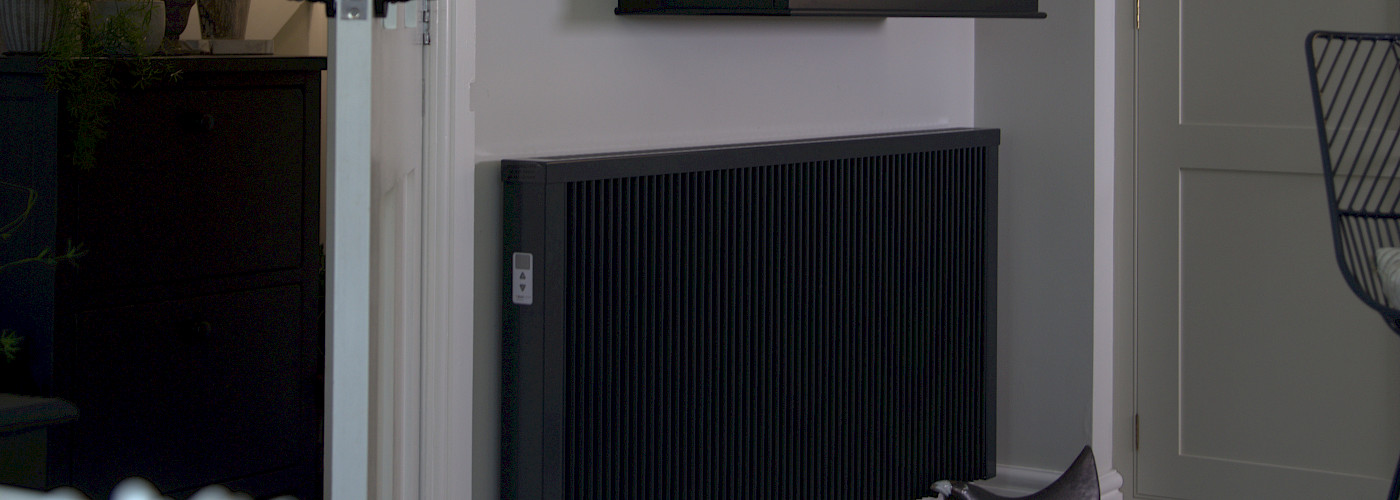
Electric heating and battery storage are becoming far more common in UK homes, yet many homeowners are still put off by outdated assumptions. As installers, we hear the same concerns repeatedly during surveys and enquiries. Many of them are based on how electric heating and storage used to work, not how modern systems actually perform today.
This is one of the most persistent myths, largely because it was true years ago. Old-style electric heaters ran flat out, had poor controls and gave homeowners little flexibility over when energy was used.
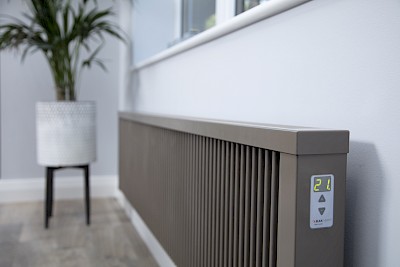
Modern ELKATHERM® electric heating systems are entirely different. They feature precise thermostats, room-by-room control and heating schedules. That means you only have to heat the spaces you need, when you need them, rather than wasting energy across the whole home.
Running costs now depend far more on how the system is designed, the insulation level of your property, and the electricity tariff being used. In well-insulated homes, electric heating can be far more predictable and manageable than people expect.
Many homeowners assume electric heating is only suitable as a secondary heat source or for smaller spaces. In reality, modern ELKATHERM® electric heating systems are designed to provide full, whole-home heating, even during cold UK winters.
The key difference is design. Correct sizing, proper zoning and smart control setup are essential. When an ELKATHERM® electric heating system is designed room by room, taking heat loss and usage into account, it delivers consistent, comfortable warmth without the sharp temperature swings people associate with older systems.
When homeowners experience poor performance, it’s almost always down to incorrect sizing or outdated equipment rather than a limitation of electric heating itself.
This is a very common misunderstanding. While batteries work brilliantly alongside solar PV, they can also be used effectively without it.
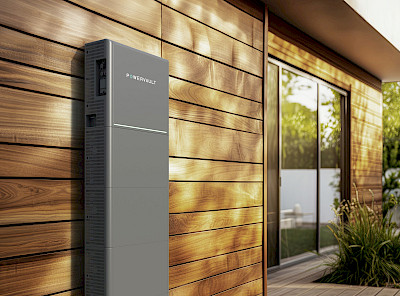
Battery storage allows homeowners to buy electricity when it’s cheaper and use it later when prices are higher. With the rise of time-of-use tariffs, this has become increasingly relevant, particularly for households with electric heating, electric hot water systems, or higher evening energy use.
Solar improves the value of a battery, but it isn’t a requirement.
While reducing energy bills is a major motivation, it’s far from the only reason people choose battery storage in their homes. Batteries also offer greater control over energy usage, reduce reliance on the grid during peak periods, and help protect households from future energy price volatility.
For some homeowners, resilience is equally important. Battery systems can provide backup power during outages when designed correctly, keeping essential circuits running and avoiding the disruption of power cuts.
There’s a perception that electric heating and batteries are short-lived or prone to failure. In reality, modern systems are designed for long-term use with minimal maintenance.
ELKATHERM® electric radiators boast a 25-year guarantee on the heat core, proving their longevity and giving homeowners peace of mind. Similarly, modern home battery systems come with long warranties and are engineered to manage charging and discharging automatically, protecting the battery’s lifespan.
Another misconception is that switching to electric heating or adding battery storage requires a complete overhaul of the home. In practice, most upgrades happen in stages. ELKATHERM® heating systems are modular, so you can choose to just upgrade one room, one floor, or the whole home.
Many homeowners start by replacing individual heaters or by installing battery storage before committing to solar panels or further upgrades. A phased approach allows homeowners to spread costs and adapt their energy use gradually without disruption.
We design systems that can grow and adapt over time, rather than forcing an all-or-nothing decision.
From an installer’s point of view, the success of electric heating and battery storage comes down to system design and good quality products. Insulation levels, energy usage patterns and future plans all matter more than choosing the largest radiator or battery available.
A HeatElectric system is a practical, reliable and quality choice. The biggest barrier we see isn’t the technology itself, but outdated assumptions that no longer reflect how these systems actually work.