Find your Local

We're a national brand with a local team in your area.
Select the location below that's closest to you:
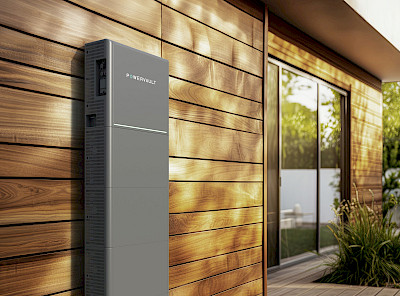
The Next Million Powerwall Rebate - you can get up to £750 back for your Tesla Powerwall installation: Find out more

A small, terraced home with a well-insulated loft and modern gas boiler produces, on average, around 2.75 tonnes of harmful greenhouse gases per year: the equivalent to driving 11,700 miles in a car, or flying 11 round trips from England to Rome.
Our planet can only withstand a certain degree of greenhouse gas emissions to stay healthy. We only have one Earth, and we are utterly dependent on it for our survival and wellbeing.
Sustainable living can help to reduce greenhouse gas emissions, conserve the Earth’s natural resources, and help to slow climate change – and can even help you save money on your energy bills.
Burning gas to heat our homes is damaging the planet. Thankfully, we now have multiple options for avoiding the use of fossil fuels in home heating. It’s possible to generate your own electricity or heat from renewable sources of energy. Over one million UK homes are already generating electricity from either solar or wind, and renewables are swiftly becoming a common sight across the UK landscape.
Solar thermal systems use energy from the Sun to warm water, which is then stored in a hot water cylinder or thermal store. Solar thermal systems use panels or tubes to gather solar energy. These are called solar collectors, and they convert the infra-red portion of visible light into heat. They contain a mixture of water and glycol, which is pumped around a circuit and passed through the hot water cylinder.
As the amount of available solar energy varies throughout the year, a solar thermal system won’t provide 100% of the hot water required throughout the year, and you’ll also need a secondary water heating system – especially in the colder months. A solar thermal system can reduce your hot water costs and your carbon dioxide emissions.
Solar electricity panels, also known as solar photovoltaics (PV), capture the Sun’s energy and convert it into electricity.
A solar PV panel consists of many cells made from layers of semi-conducting material, often silicon. When light shines on this material, an electrical current is created. These cells don’t need direct sunlight to work, and can even work on cloudy days – however, the stronger the sunshine, the more electricity generated.
The main difference between solar thermal and solar PV is simple: solar thermal generates hot water, and solar PV generates electricity.
Both solar thermal and solar PV systems require quite a lot of space around your home. They are both best placed on an unshaded, south facing roof, and you may require planning permission to install them.
With a solar thermal system, you will also need space for a hot water tank or thermal store, and a boiler that is compatible with solar thermal.
Biomass is an energy source generated by burning wood, plants and other organic matter. Biomass heating systems burn wood pellets, chips or logs to provide warmth in a single room, or to power central heating and hot water boilers.
Burning wood does emit carbon dioxide, however, this is the same amount that was absorbed over the years that the plant was growing. The process could be considered to be sustainable, as long as new plants are grown in place of those used for fuel, however currently there are no EU-wide rules to ensure this occurs. There are some carbon emissions caused by the cultivation, manufacture, and transportation of the fuel. Locally sourced biomass fuel is more sustainable, if available.
There is increasing concern that burning wood at home can negatively impact local air quality, potentially contributing to serious health problems. This is because burning wood releases gases and tiny soot particles into the air, which can build up to dangerous levels. All wood burning systems will produce some pollution, so you should consider whether it is appropriate to install one in your home.
When the pressure of a gas increases, the temperature also increases – and vice versa. This relationship is key to how a heat pump works. The gas used is called a ‘refrigerant’. A heat pump uses electricity to compress this refrigerant, increasing the pressure and therefore the temperature. As the refrigerant’s heat is transferred to your home using the heat exchanger, it cools down until it is cold enough to absorb more heat from outside and restart the process.
Air source heat pumps absorb heat energy from the air, which is blown across the heat exchanger using fans.
Ground source heat pumps gather energy from water circulating in underground pipes, which is pumped to the heat exchanger within the house.
Heat pumps are energy efficient, as the amount of heat they produce is more than the amount of electricity they use. Heat pump efficiency can vary depending on how hard they must work to maintain a comfortable room temperature – the lower the flow temperature, the greater the efficiency. With larger radiators and underfloor heating, the heat pump doesn’t have to operate at such a high temperature, so the efficiency increases.
Some of the fluids used for heat transfer are of questionable sustainability, and therefore raise environmental concerns.
Heat pumps often have a large upfront cost, and the installation process requires significant work and disruption to your property. You may require planning permission to install one.
Electric heating is any system that uses electricity as the main source of energy to heat the home, and includes electric radiators, underfloor heating and electric boilers.
For many years, gas was considered the best way to heat your home. Over the years, gas systems have largely remained the same with little evolution. Electric heating systems however have evolved into an advanced alternative to gas, with all the advantages of traditional storage heaters but none of the disadvantages.
The shift away from gas is rapidly gaining momentum, supported by Government legislation, technology and sustainability.
Electricity is becoming an increasingly sustainable form of heating, as more renewable sources such as solar power and wind are connected to the electricity grid, replacing existing gas and coal power stations. Carbon emissions from electricity are expected to continue to drop, making electricity a very low carbon source of energy and heat.
Electric radiators are considered to be 100% efficient, as all the electricity they use is turned in to heat energy. Also, as it doesn’t require a connected system to work, no heat is lost through pipework.
When paired with sun, wind or other renewable energy sources, electric heating can give you total energy freedom away from polluting fossil fuels.
While gas is an effective fuel for home heating, it releases carbon into the atmosphere when burned. Increasing levels of carbon in the atmosphere is a leading cause of climate change.
As part of the UK Government’s plan to reach net zero carbon emissions by 2050, fossil fuel heating systems are likely to be phased out over time. This will start with a ban on gas and oil boilers in all new homes from 2025. If you’re looking to lower your carbon emissions, you should consider moving away from gas.
To keep a gas boiler running smoothly and safely, an annual service is essential. A one off gas boiler service usually costs between £60 and £100, or a boiler cover package can cost between £200 to £300 per year. Electric radiators usually require no maintenance- they have no moving parts, and there is very little that can go wrong as long as the electricity supply isn’t interrupted.
Here at Heat Electric, we see that home heating is changing and moving away from fossil fuels: the days of gas or oil heating systems are numbered. The future is in renewable energy sources to hear our homes with electricity.
Gas and oil are slowly but surely being phased out over the next decade. With wet heating systems known for their unsightly pipes, expensive servicing and limited lifespan, they’ve more than outstayed their welcome. Not to mention how they tie us in to the big energy providers!
We believe electric heating is the future. It’s quiet, safe, can be instantly warm and, most importantly, it’s sustainable in a modern world.
Heat Electric are specialists in ultra-modern and efficient electric heating. We’re proud to be a Which? Trusted Trader for our high standards of customer service, value and quality, and our NAPIT accredited installers work to a no mess, no fuss policy when fitting your stylish new heating system.
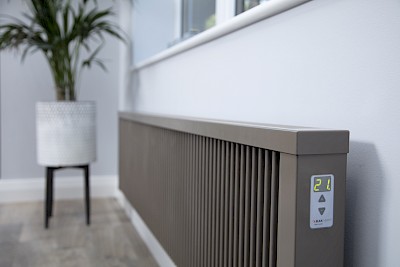
ELKATHERM® electric radiators are A++ energy rated. They stay warm for hours with minimal additional power, meaning more warmth for your money and greater control than traditional storage heating. ELKATHERM® electric radiators use a massive five times surface area to provide superior radiated heat and spread convected warmth around the room, ensuring you aren’t left with cold spots. There’s no need for a noisy fan, so you won’t get uncomfortable dry air associated with other forms of electric heating. Once your ELKATHERM® electric radiator is up to temperature, it will typically draw between 15 and 17 minutes of electricity per hour to top up the core and maintain your cosy home. You can control each room individually, selecting the times and temperatures to best suit your lifestyle, and ensuring you don’t waste heat in rooms you aren’t using. We offer a range of control options, including our latest smartphone app which allows you to control your heating remotely.
Our ELKATHERM® electric radiators also come with a 4-year guarantee for electronic components, and a massive 25-year guarantee for the internal heat core. They are completely VDE approved and LOT20 compliant.
Sunamp heat batteries deliver mains pressure hot water on demand with superb efficiency. Packed with modern electric water heating technology, Sunamp heat batteries are ultra compact, need little or no maintenance, and can be charged using an off-peak energy tariff, or divert energy from solar PV systems, heat pumps or other renewable sources. They are perfect for those conscious about reducing carbon emissions, reducing or eliminating gas usage and controlling energy bills.