Find your Local

We're a national brand with a local team in your area.
Select the location below that's closest to you:

If you are considering electric heating, one of the first questions you are likely to ask is “how much does an electric radiator cost to run?”. The answer is not quite as simple as looking at the wattage printed on the radiator and multiplying it by the number of hours you use it.
A 2kW electric radiator does not necessarily use 2kWh of electricity for every hour that it is switched on. Its 2kW rating tells you how much electricity it can draw when the heating element is operating at full power. Once the room reaches the required temperature, the thermostat controls the radiator and reduces the amount of time it needs to draw electricity.
This is where the design of the radiator, the quality of its thermostat, and the way it stores and releases heat can make a real difference. We install German manufactured ELKATHERM® electric radiators because they are designed specifically around controlled, efficient heating. They combine a dense fireclay heat core with precise thermostatic control, and carry a German A++ energy efficiency rating. Independent testing by BSRIA has also demonstrated the way an ELKATHERM® radiator can maintain room temperature while using considerably less electricity than its maximum rated output might suggest.
The easiest place to start with is the radiator’s rated power. A 500W radiator can draw up to 0.5kW while it is actively heating. A 1,000W radiator can draw up to 1kW, a 1,500W up to 1.5kW and a 2,000W radiator up to 2kW.
If a 2kW radiator was running continuously at full power for one hour, it would use 2kWh of electricity. However, this isn’t usually how a thermostatically controlled radiator operates.
Once the room reaches its target temperature, the radiator does not need to continue producing its maximum heat output continuously. The thermostat regulates the heating according to the temperature of the room. This means there is a vital difference between the maximum power of a radiator and the amount of electricity it actually consumes over the course of a day.
Let’s use an electricity price of 30p per kWh simply as an example. If a 500W radiator ran continuously at full power for one hour, it would use 0.5kWh. At 30p per kWh, that would cost 15p for that hour. If it ran continuously at full power for eight hours, it would use 4kWh and cost £1.20.
In a real home, however, the radiator would normally be controlled by its thermostat. Once the room has reached the desired temperature, the radiator will not need to operate continuously at its maximum output. The actual cost therefore depends on the heat required by the room, the outside temperature, insulation, the temperature you choose, and how effectively the heating is controlled.
A 1,000W radiator has a maximum electrical input of 1kW. At 30p per kWh, running continuously at full power would cost around 30p per hour. If it operated continuously at full power for eight hours, the theoretical cost would be £2.40.
Again, this is a maximum consumption calculator rather than a realistic prediction of what you will pay every day; a properly sized radiator should not need to operate at full power continuously just to maintain a comfortable room temperature.
A 1,500W radiator can draw up to 1.5kW when its heating element is operating. At 30p per kWh, that is 45p per hour at full power. If it ran continuously at maximum output for eight hours, it would use 12kWh and cost £3.60.
If the radiator only needed to draw power for part of that time because the room had reached its target temperature, the actual electricity consumption would be lower. This is why simply looking at the wattage of a radiator can give a misleading impression of its running costs.
A 2,000W radiator is capable of drawing 2kW when it is actively heating. At 30p per kWh, continuous full power operation would cost 60p per hour. Eight hours at full power would therefore use 16kWh every time you leave it switched on for eight hours.
A 2kW radiator can draw up to 2kW while heating, but its thermostat will cycle the heating once the room reaches the required temperature. The radiator may therefore spend much of the time maintaining the temperature rather than continuously heating at maximum power.
Not necessarily. A larger radiator has a higher maximum output, but that does not mean it will always consume more electricity. In fact, installing a radiator that is correctly sized for the room is much more important than simply choosing the lowest wattage possible.
If a radiator is too small, it may have to work hard for long periods to achieve the desired temperature. If it is correctly sized, it should be able to heat the room effectively and then allow its thermostat to regulate the heat once the desired temperature has been reached. This is why professional radiator sizing matters.
We consider the room size, insulation, glazing, and the way the room is used when specifying electric heating rather than simply choosing a radiator based on its physical size.
Good thermostatic control is one of the most important factors when it comes to running electric heating efficiently. There is little benefit in heating a room beyond the temperature you actually need. Equally, there is little point in having a heating system that cannot maintain a stable temperature accurately.
Modern electric heating can be controlled by room temperature, heating schedules, and, depending on the system, individual room requirements. This means you can heat the rooms you are using when you need them, rather than simply switching the whole heating system on and leaving it running. For many homes, this level of control is just as important as the radiator itself.
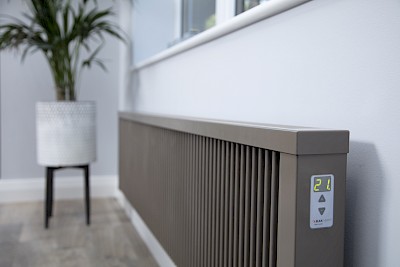
We recommend ELKATHERM® because they are not simply conventional electric panel heaters. Each radiator contains a dense fireclay heat core with the heating element directly embedded within it. The core stores heat and continues releasing it after the element has switched off. The result is a combination of radiant and convected heat, with the radiator able to provide warmth without needing to continuously draw its maximum electrical power.
ELKATHERM® radiators also use precise thermostatic control and are available with different control options, including programmable and smart controls. These German manufactured radiators carry an A++ energy efficiency rating, reflecting their energy efficient design and controls.
They are also built for long-term use, with a 25-year guarantee covering the fireclay heat core and a 4-year warranty covering the electrical components.
One of the strongest pieces of evidence for ELKATHERM®’s performance comes from independent testing carried out by BSRIA.
The test used an ELKATHERM® S201 radiator, with a rated power of 2,000W in a 16m² test room.
The BSRIA tests looked at temperature control and electricity consumption under different heating conditions. In one 16-hour test, the measured heating requirement averaged around 1,026W rather than the radiator operating continuously at its full 2,000W rating. In another 8-hour test, the average was approximately 430W. A further 3-hour test measured an average of approximately 526W.
The tests also recorded very stable room temperatures, with temperature variation at the reference measurement point remaining below 0.5°C across the three tests.
This demonstrates an important point about ELKATHERM® electric heating. The 2,000W figure is the radiator’s maximum rated power. It is not a statement that the radiator will consume 2,000W continuously whenever it is switched on. The BSRIA results show the effect of thermostatic control, and the radiator’s ability to meet the room’s heating requirement rather than simply running at maximum output continuously.
The ELKATHERM® fireclay core is central to the way the radiator works. When the radiator is heating, electricity is used to heat the ceramic core. That core then continues to release heat into the room. This allows the radiator to provide a steady source of warmth while its heating element switches on and off according to the room temperature.
Once an ELKATHERM® radiator has reached its operating temperature, it typically requires only 15-17 minutes of electrical input per hour to top up the heat stored within the core.
ELKATHERM® itself reports that, once the radiator has reached its operating temperature, it typically requires only short periods of electrical input to top up the heat stored within the core.
This is where it is worth looking beyond the wattage and purchase price. Almost all conventional resistance electric heaters convert electrical energy to heat: the important difference is how that heat is delivered, how accurately the room is controlled, how much heat is absorbed and released, and how effectively the heating can be managed around your lifestyle.
A cheap electric heater may have a lower purchase price, but that does not automatically make it the best choice for a home that will be heated electrically every day. We believe ELKATHERM® is the best electric radiator option available for homeowners who are concerned about long-term running costs, comfort, and reliability.
ELKATHERM®’s German A++ energy efficiency rating, fireclay heat core, precise thermostatic control, and independently tested performance make it very different from a basic electric panel heater.
There is no single figure that applies to every home. Two identical radiators can have completely different running costs depending on the room they are heating.
A well insulated bedroom that only needs to be maintained at 18°C will have a very different heating requirement from a large, poorly insulated living room kept at 22°C.
Your electricity tariff can also make a significant difference. A home using an off-peak or time-of-use tariff may be able to operate its electric heating at a lower electricity price during certain periods. For homes combining ELKATHERM® electric heating with a solar PV system and battery storage, you could even heat your home for free.
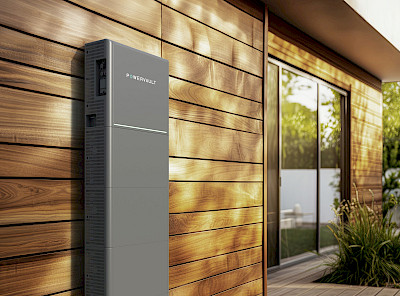
Yes, and this is where electric heating can form part of a much larger energy strategy. Solar panels can generate electricity during the day, while a home battery can store electricity for use later. With the right tariff and controls, electricity can also be purchased during cheaper periods and used when the home needs it.
ELKATHERM® electric radiators can therefore be considered alongside solar PV, battery storage, and smart energy tariffs rather than as a completely separate system. For some homes, this combination can provide a way of generating, storing, and using more of their own electricity while keeping heating under precise control.
The cheapest way to run an electric radiator is not simply to buy the radiator with the lowest wattage. The aim should be to provide the required amount of heat, while avoiding unnecessary energy use. This means choosing the correct radiator size, having good thermostatic control, heating rooms only when required, keeping your property well insulated, and choosing an electricity tariff that suits the way you use energy.
For homeowners looking for premium electric heating, we believe ELKATHERM® offers an impressively strong combination of efficient operation, heat storage, precision control, and long-term build quality. It is why we have chosen ELKATHERM® as our premium electric radiator range at HeatElectric.
The best way to estimate running costs is to start with the actual heating requirements of your home, rather than simply looking at the wattage of a radiator. We can help you work out what size radiators are appropriate for each room, and explain how the heating could be controlled.
If you are only looking to replace one radiator, that’s absolutely fine. We do not believe you should have to replace an entire heating system when you only need heating for one room.
Equally, if you are considering a larger project involving electric heating, solar panels, battery storage, and hot water, we can look at the whole energy system together.
Get in touch with us today to discuss your electric heating requirements and to arrange a free, no obligation home survey.