Find your Local

We're a national brand with a local team in your area.
Select the location below that's closest to you:

Solar panels have gone from being a niche eco upgrade to a mainstream home improvement across the UK. With rising energy prices, growing concern about energy security, and more homeowners looking to reduce their carbon footprint, it’s no surprise that solar is high on the agenda. So, are solar panels actually worth it?
The honest answer is that it depends on your home, your energy usage, and how you plan to use the energy you generate. For many households, solar panels are now one of the most effective long-term investments you can make in your property.
Solar panels generate electricity from daylight, not direct sunshine. Even on cloudy days, panels will still produce power, although output will be lower than on bright summer days. The electricity generated is used in your home first, and anything you don’t use is either exported back to the grid or stored in a home battery.
Most UK households use more electricity in the morning and evenings, so solar works best when combined with smart usage habits and home battery storage.
A common misconception is that solar panels only work well in hot or sunny countries. In reality, the UK has some of the best conditions for solar panels because they perform more efficiently in cooler temperatures. Countries like Germany, which has a similar climate to ours, have far higher solar adoption rates.
A well-designed system in the UK can generate a significant proportion of a household’s annual electricity needs, particularly from spring through to autumn.
Savings depend on how much electricity you use during the day, and whether you store excess energy. Homes that are occupied during daylight hours tend to see the biggest benefit, as they can use more of the solar energy directly.
With electricity prices remaining volatile, generating your own power provides a level of protection against future price rises. Many homeowners see solar panels as a saving in long-term energy costs rather than a short-term saving.
Export payments through schemes like the Smart Export Guarantee (SEG) also add value, although the real financial benefit comes from using your own electricity rather than selling it back cheaply to the grid.
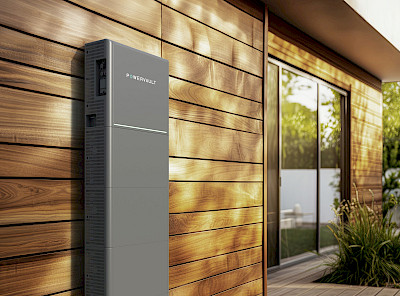
Solar panels on their own are effective, but when paired with battery storage they become far more powerful. A battery allows you to store excess solar energy generated during the day and use it in the evening, overnight, or during peak tariff periods.
For homes with electric heating, heat pumps, or electric hot water systems, batteries can significantly improve self-consumption and reduce reliance on grid electricity. They also future-proof your system as energy tariffs become more complex.
Modern solar panels are extremely durable. Most high-quality panels come with performance warranties of 25 years, and many continue generating electricity well beyond the warranty period. We install Eurener solar panels with 30-year product and performance warranties, giving you the longest available warranty on the market.
Inverters and batteries typically have shorter lifespans, but these components can be replaced without removing the panels themselves.
The long lifespan is one of the key reasons solar panels are considered a solid investment rather than a short-term upgrade.
Solar panels can make a property more attractive to buyers, particularly as energy efficiency becomes a bigger factor in purchasing decisions. Lower running costs, improved EPC ratings, and reduced carbon emissions all add appeal.
While solar panels shouldn’t be installed purely to increase resale value, they often contribute positively to a home’s overall marketability.
Not every property is perfectly suited to solar panels. Roof orientation, shading, available space, and structural condition all play a role. South-facing roofs with minimal shading are ideal, but east and west facing systems can still perform very well when designed correctly.
This is why system design matters just as much as the equipment itself. A properly sized and thoughtfully designed system will always outperform a generic, one size fits all installation.
For most UK homeowners, the answer is yes, provided the system is designed properly and aligned with how you actually use energy. Solar panels offer long-term savings, protection from rising electricity costs, lower carbon emissions, and greater energy independence.
They are not a get rich quick scheme, but they are one of the most reliable and proven ways to reduce your reliance on the grid and take control of your energy future.
If you’re considering solar panels, the most important step is getting honest advice based on your home, your usage, and your long-term plans, not just headline figures or unrealistic payback claims.
Get in touch today and book a free, no obligation chat with one of our team to see if solar might be right for you.