Find your Local

We're a national brand with a local team in your area.
Select the location below that's closest to you:
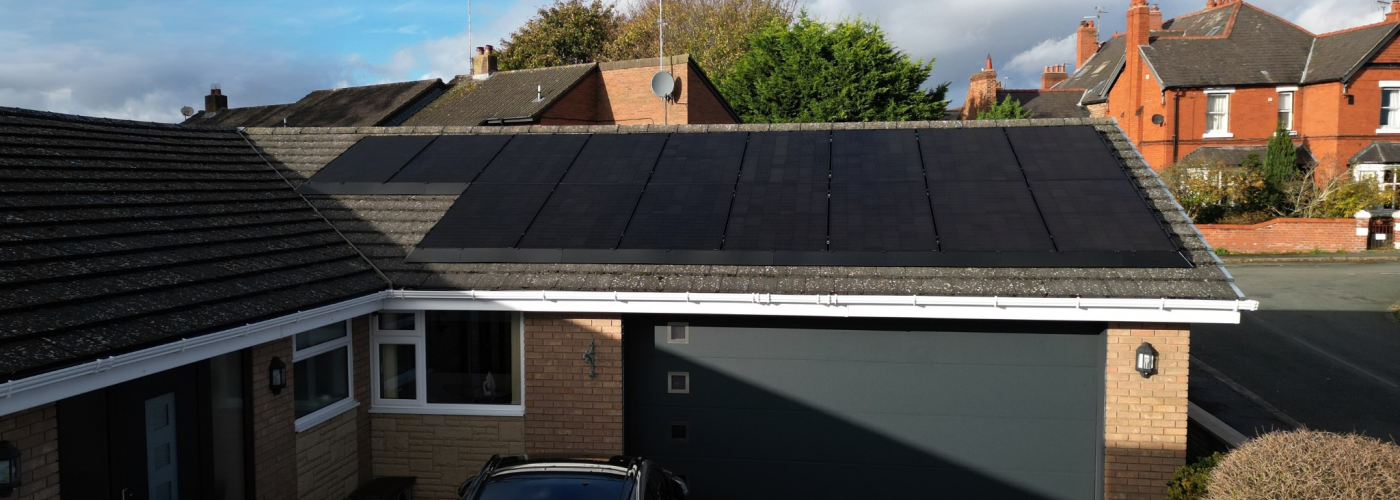
MCS-certified renewable energy installations reached a record level in the first half of 2026, with battery storage emerging as one of the fastest growing technologies.
The UK’s transition towards home grown, low-carbon energy continues to gather pace, with new figures from MCS revealing a record 210,000 certified small-scale renewable energy installations between January and June 2026.
That represents a 17% increase on the previous six month record, equivalent to an MCS-certified installation being completed somewhere in the UK approximately every 74 seconds.
Solar PV continues to dominate the small-scale renewables market, accounting for almost 150,000 installations during the first six months of the year. For homeowners, solar panels can provide an opportunity to generate their own electricity, reduce reliance on the grid, and save money on their energy bills.
We have seen continued interest in solar PV systems, particularly when combined with battery storage to help homeowners make better use of the electricity their panels generate.
One of the most significant figures in the latest MCS data is the growth in battery storage. Around 36,000 battery storage installations were recorded during the first half of 2026, almost double the number recorded during the same period in 2025.
The growth reflects the increasing number of homeowners looking beyond solar panels alone and considering how energy can be stored and used when it is needed. A battery can store surplus electricity generated during the day and make it available later, including during the evening when household electricity demand is often higher. Battery storage can also allow homeowners to take greater advantage of cheaper electricity tariffs by charging when electricity prices are lower, and using that stored energy at other times.
The MCS figures also highlight an important shift in how homeowners are approaching renewable energy. One in three installations involved multiple technologies, or a property that already had an MCS certified installation.
Rather than installing renewable technologies in isolation, homeowners are increasingly looking at how different systems can work together as part of a more complete home energy solution. For example, a property might combine solar PV, battery storage, and an electric vehicle charger, allowing surplus renewable electricity to be used across multiple household energy needs. Other homeowners may choose to integrate solar and battery storage with electric heating or hot water technologies.
This approach can help homeowners maximise the amount of renewable energy they generate and use themselves.
As an MCS certified installer, HeatElectric is proud to be part of the certified installer network helping to support the UK’s transition towards renewable energy.
MCS certification provides homeowners with confidence that their renewable energy installation is being carried out by an appropriately certified installer and to recognised industry standards. It is also an important requirement for accessing certain schemes and benefits associated with renewable energy installations.
The latest figures demonstrate that interest in renewable energy is no longer limited to early adopters. With more than 210,000 certified installations in just six months, home-grown energy is becoming an increasingly important part of the UK’s energy landscape.
If you’re considering solar panels, battery storage, or a combination of renewable technologies for your home, HeatElectric can help you understand what options are available and what would work best for your property.
We design MCS certified solar PV and battery storage systems, using products from leading manufacturers including Eurener and Tesla.
Whether you’re looking to reduce your electricity bills, make better use of your solar generation, or increase your energy independence, our team can assess your requirements and recommend a suitable system.